

While frontend and backend developers often struggle through saturated hiring funnels, the infrastructure space is experiencing an opposite reality: a massive, persistent talent deficit. This demand highlights the importance of staying updated with the top best digital marketing tools to effectively showcase one's skills and secure these high-value roles.
Modern engineering teams deploying across AWS, GCP, and Azure cannot afford production outages, unmonitored clusters, or sluggish continuous delivery pipelines. Because infrastructure automation, Kubernetes orchestration, and incident reliability are naturally asynchronous and systems-driven, DevOps and Site Reliability Engineering (SRE) roles are among the most location-agnostic positions in the entire tech ecosystem.
For engineers across Nigeria, Kenya, Egypt, Ghana, and South Africa, this presents a distinct advantage. If you can manage infrastructure as code (IaC), enforce zero-downtime deployments, and maintain robust observability stacks, global companies are ready to hire you on high-paying USD and EUR retainers. For those looking to leverage AI in their professional toolkit, exploring 20 AI tools that make life easier can further enhance their marketability.
Here are the 8 best platforms where African DevOps, Cloud, and SRE professionals find high-trust global remote roles.
1. We Work Remotely (WWR) — Dedicated DevOps & Sysadmin Category
We Work Remotely is one of the world’s largest remote-first communities. Unlike generalized portals where infrastructure is an afterthought, WWR maintains a dedicated DevOps and Sysadmin track that filters directly for platform builders.Core Stacks: Terraform, Ansible, AWS/GCP, Docker, Kubernetes, CI/CD pipelines (GitHub Actions, GitLab CI).
Why African Engineers Win Here: Companies listing on WWR pay significant posting fees to attract serious, self-directed talent. A high percentage of listings are explicitly tagged "Anywhere in the World" or "Global", making them fully accessible to African applicants.
Best Strategy: Set up an RSS alert for the DevOps category. Applications submitted within the first 24 hours receive significantly higher visibility from engineering hiring managers.
2. TrulyRemoteWork — Screened Worldwide Infrastructure Roles
TrulyRemoteWork focuses exclusively on curating positions with zero hidden geographic restrictions, specifically filtering out listings disguised as "remote" but restricted to US/EU passport holders.Core Stacks: Kubernetes operators, Terraform, Linux systems administration, PostgreSQL/Redis clustering, observability (Prometheus/Grafana).
Why African Engineers Win Here: The platform actively monitors remote-first tech giants like GitLab, Canonical, CloudLinux, Camunda, and Supabase—companies renowned for hiring infrastructure talent across any time zone using global Employer of Record (EOR) services.
Best Strategy: Target companies on this board that champion async communication (like GitLab or Canonical). Their hiring processes prioritize public proof of work, technical documentation, and written troubleshooting over live verbal trivia.
3. Arc.dev — Direct Matching for SRE & Platform Specialists
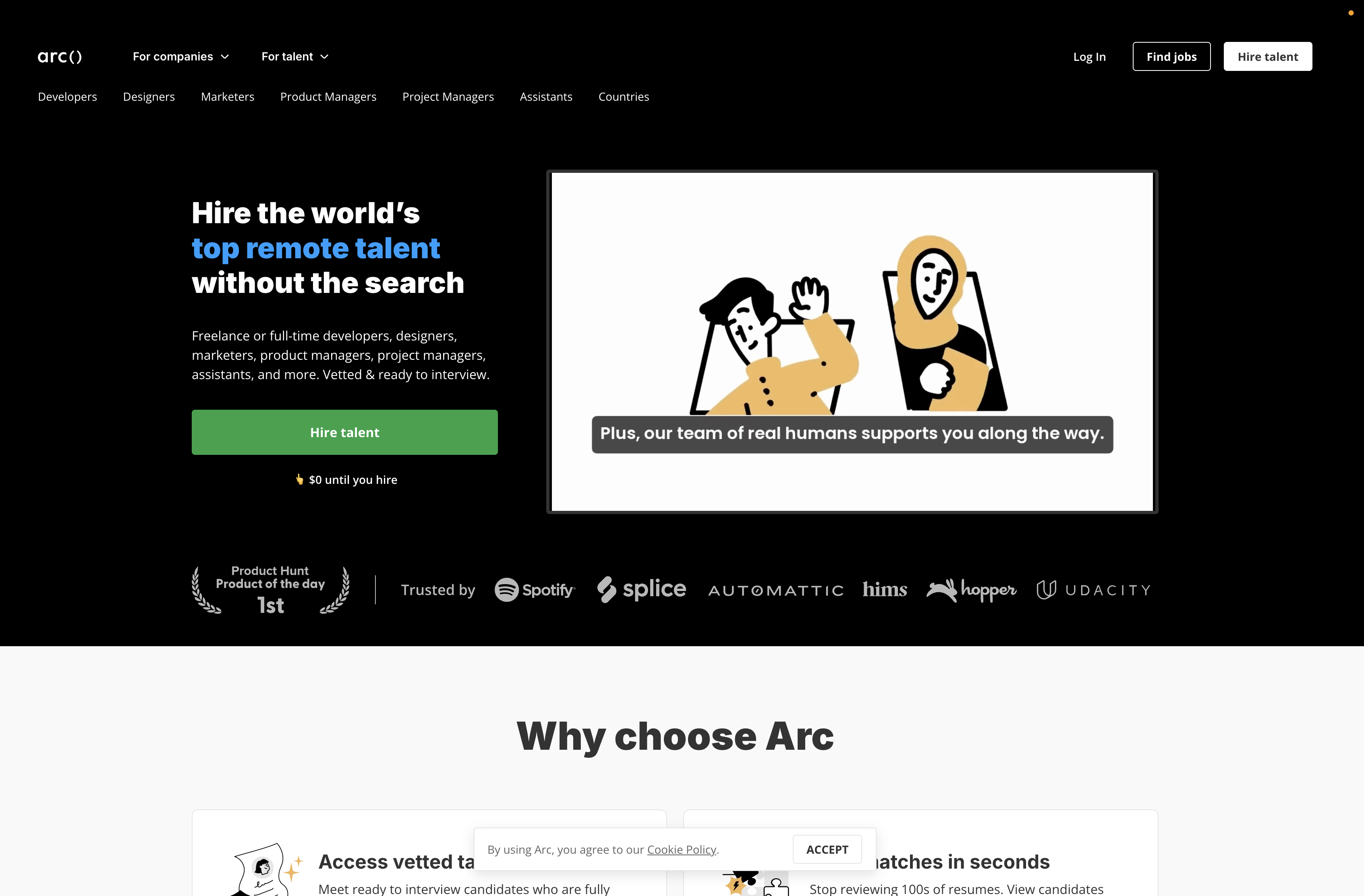
Arc.dev’s matchmaking engine features a dedicated assessment track for Site Reliability Engineers and Cloud Architects looking for both permanent remote roles and long-term contracts.
Core Stacks: Distributed systems, microservice architectures, Python/Go automation, cloud-native networking, chaos engineering.
Why African Engineers Win Here: Arc bypasses traditional resume screening. Once you pass their initial technical review, their matching team actively pitches your profile to US and European CTOs searching for infrastructure contractors. This direct approach can be a game-changer, much like how 8 best remote job sites for African professionals offer streamlined access to global opportunities.
Pay Structure: Direct USD hourly or monthly billing, with full invoicing support handled through their contractor portal.
4. Crossover — High-Compensation Enterprise Cloud Roles
Crossover matches top technical talent with enterprise software firms operating under a 100% remote model.Core Stacks: CloudFormation, Terraform, AWS/Azure architecture, containerized deployments, automated rollback systems.
Why African Engineers Win Here: Crossover uses an entirely merit-based testing funnel. Your nationality, academic background, or location have no bearing on your application; you take an automated cognitive aptitude test and a real-world, timed technical challenge. African engineers frequently clear these benchmarks and secure compensation packages ranging from $60,000 to $100,000+ USD/year.
The Catch: Crossover enforces productivity tracking software and performance metrics, making it best suited for engineers who prefer deep solo execution over collaborative agency environments.
5. Remotive — Curated Global Infrastructure Portfolios
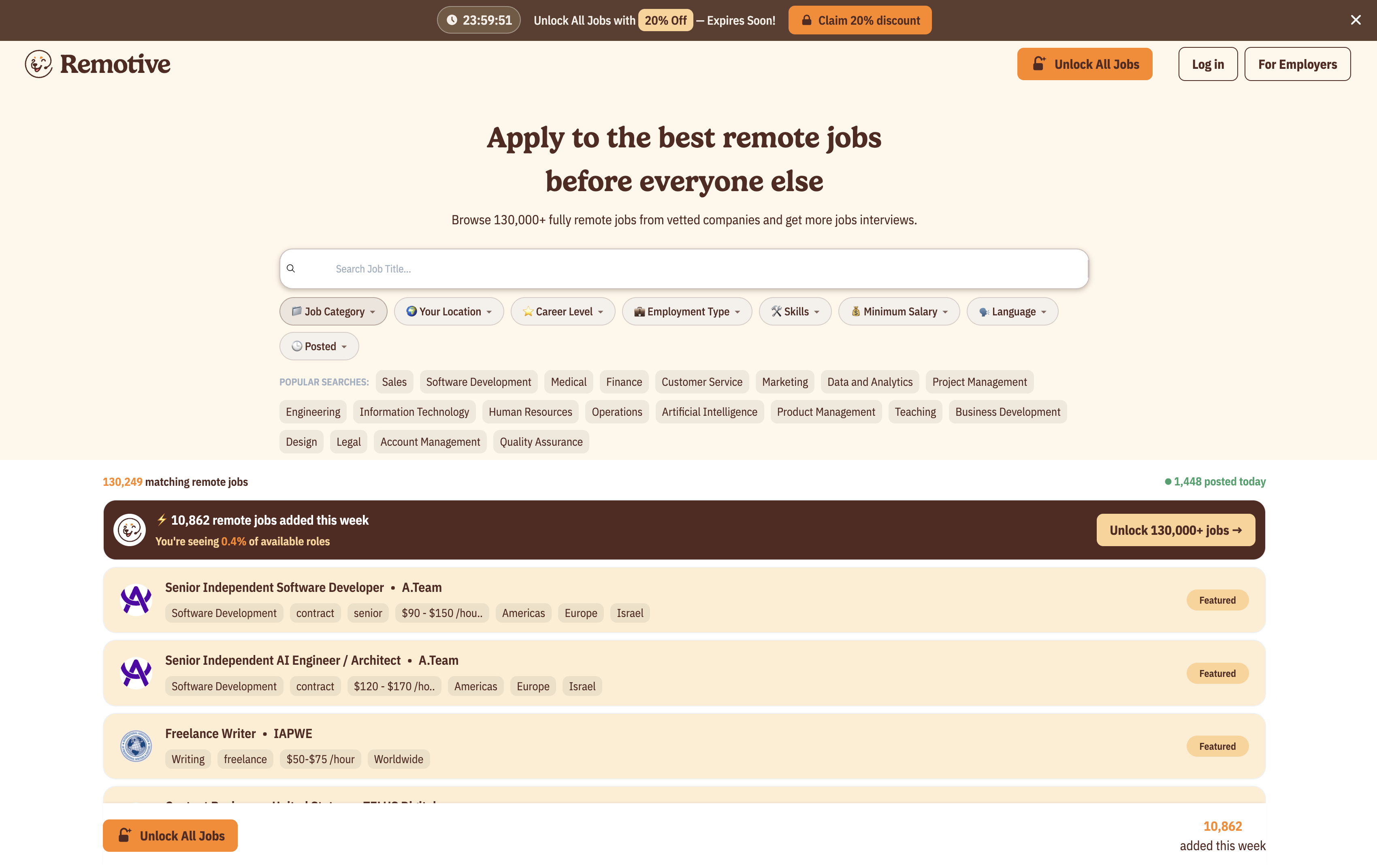
Remotive manually reviews every job posting before it goes live, ensuring you don’t waste hours applying to expired listings or low-quality agency leads.
Core Stacks: Multi-cloud infrastructure (AWS, Azure, GCP), Helm, ArgoCD, Datadog, ELK/OpenSearch.
Why African Engineers Win Here: Remotive tags every role with precise geographic constraints. Filtering by "Worldwide" surfaces fast-growing startups and mid-market SaaS companies ready to onboard international contractors via Deel or Remote.com. This global reach also extends to the availability of best free AI tools for students, fostering skill development across borders.
Best Strategy: Join the Remotive Slack community. The platform frequently hosts private job announcements and networking channels where hiring directors post infrastructure openings prior to listing them publicly.
6. Jobgether — Aggregated Global SRE & Infrastructure Openings
Jobgether specializes in tracking remote roles across EMEA and international territories, indexing hundreds of enterprise SRE and platform engineering openings.Core Stacks: Site Reliability Engineering, Incident Response, gRPC, Terraform, Linux internals, cloud security.
Why African Engineers Win Here: SRE roles differ from general DevOps because they center on uptime, latency, error budgets, and incident mitigation. Jobgether lists positions with high-growth European FinTech and RegTech companies where time-zone overlap with Africa (GMT, WAT, CAT, and EAT) makes real-time production monitoring effortless. For professionals in these regions, having access to best data plans for heavy users is crucial for maintaining seamless connectivity and productivity.
7. Wellfound (AngelList Talent) — Seed to Series B Platform Engineering
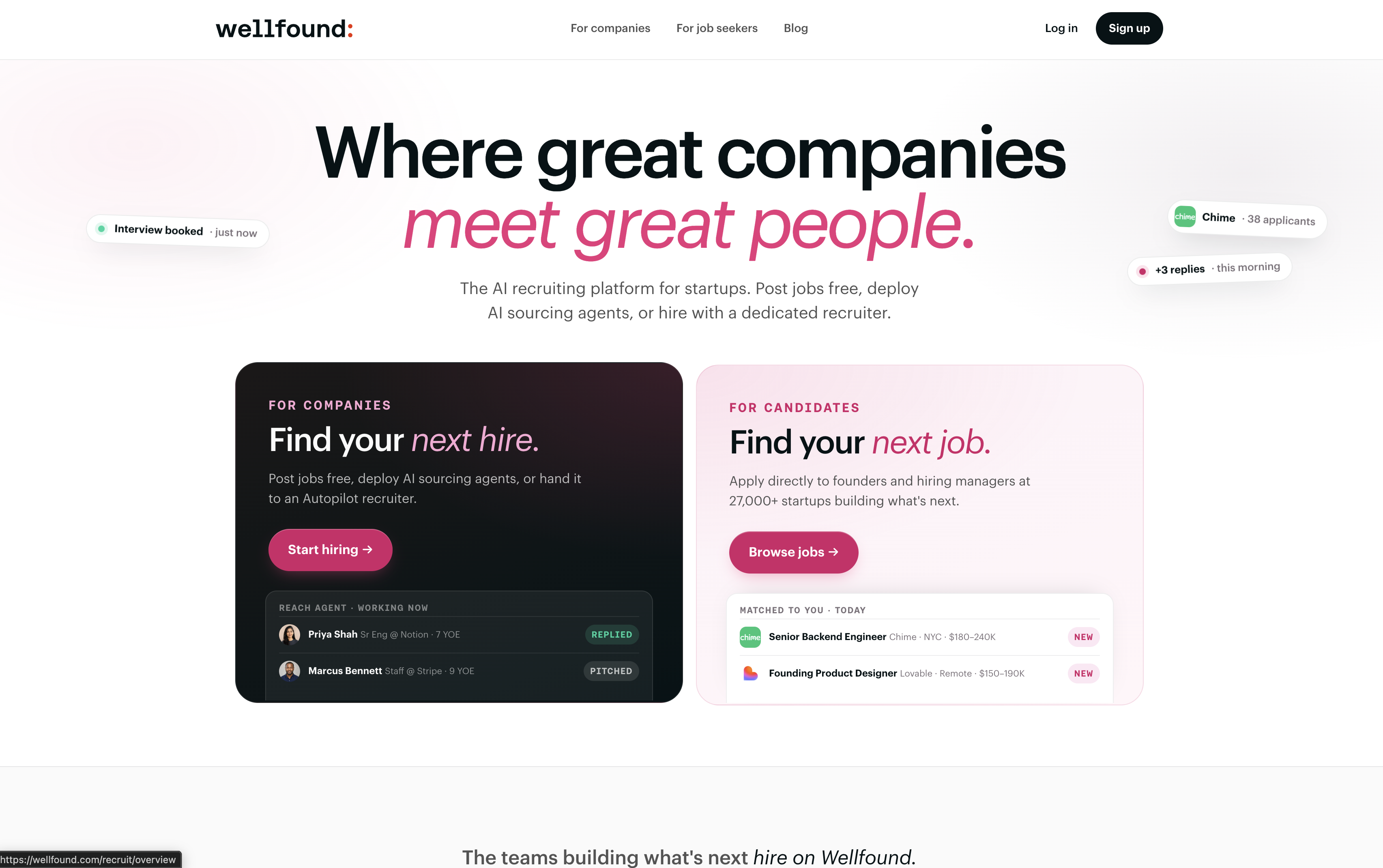
Early-stage startups typically hire software developers first; as soon as they hit product-market fit, their next critical hire is a DevOps or Cloud Engineer to stabilize their runaway AWS bills and fragile deploy scripts. This demand for specialized talent often leads to opportunities for hiring Python developers for API integration and automation.
Core Stacks: Serverless architectures, Docker Compose to ECS/EKS migrations, database tuning, infrastructure cost optimization (FinOps).
Why African Engineers Win Here: You can apply directly to founders, VP of Engineering, or CTOs. Startups love proactive engineers who say: "I noticed your platform is scaling; I can automate your deployments, cut your cloud expenditure by 25%, and build self-healing clusters."
How to Filter: Set location to Remote, check "Worldwide", and filter by tech stack (e.g., Terraform + Kubernetes).
8. Andela Talent Cloud — Enterprise Cloud Transformation
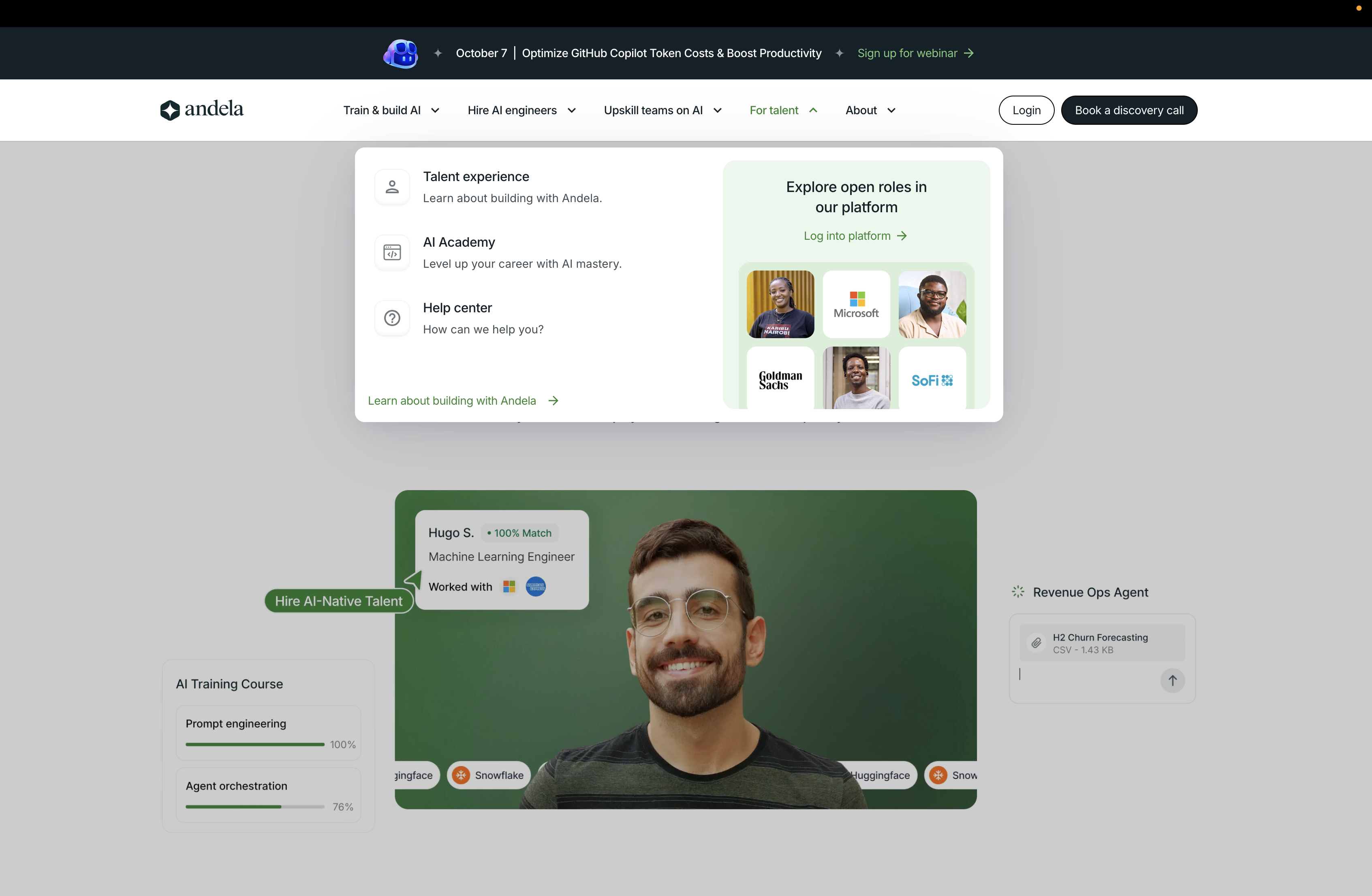
Core Stacks: Enterprise cloud migrations (on-prem to Azure/AWS), large-scale Kubernetes infrastructure, security compliance (SOC 2, ISO 27001 readiness), CI/CD modernization.
Why African Engineers Win Here: Enterprise clients frequently hesitate to hire international contractors directly due to legal compliance. Because Andela handles enterprise security checks, background screening, and vendor contracts, African engineers get assigned to blue-chip international projects that would otherwise be closed to non-US/EU residents.
Remote DevOps & SRE Platforms Compared
| Platform | Best For | Typical Hiring Model | Minimum Experience Target |
| We Work Remotely | Direct company applications | Full-time / Contractor | 2+ Years |
| TrulyRemoteWork | Verified worldwide openings | Direct EOR / Global Remote | 3+ Years |
| Arc.dev | Vetted developer matching | Long-term retainers & full-time | 3–5+ Years |
| Crossover | High-bracket US corporate roles | 40 hrs/wk Contractor | Senior (5+ Years) |
| Remotive | Transparent startup teams | Direct Employee / Contractor | 2+ Years |
| Jobgether | Enterprise SRE & Incident Response | Full-time Remote | Mid to Senior |
| Wellfound | Startups & FinOps optimization | Direct contact with CTOs | 1–3+ Years |
| Andela | Enterprise cloud transformation | Staff Augmentation | Mid to Lead |
3 Pillars That Land Remote Infrastructure Contracts
1. Certifications That Bypass Geographic BiasIn software engineering, personal projects often outweigh certificates. In DevOps and Cloud architecture, industry-standard certifications act as an instant verification filter:
Certified Kubernetes Administrator (CKA): Proves hands-on cluster management under high-pressure, live terminal conditions.
AWS Certified Solutions Architect (Associate or Professional): The industry standard for production cloud design.
HashiCorp Certified Terraform Associate: Confirms real-world proficiency with Infrastructure as Code (IaC).
Having 1–2 of these credentials on your LinkedIn and resume reassures overseas hiring teams that you follow standard cloud security benchmarks.
2. Provide Public Infrastructure Repositories
Don’t just list "Docker and AWS" on a CV. Provide public GitHub repositories showcasing production-ready infrastructure:
A working Terraform module provisioning a multi-region, load-balanced application on AWS with secure VPC subnets and NAT gateways.
A complete GitHub Actions / GitLab CI pipeline incorporating linting, security scans (Trivy/Snyk), automated testing, and zero-downtime deployment to a staging cluster.
A documented Prometheus + Grafana dashboard config displaying CPU, memory, request latency (p95/p99), and error rate metrics.
Don’t just list "Docker and AWS" on a CV. Provide public GitHub repositories showcasing production-ready infrastructure:
A working Terraform module provisioning a multi-region, load-balanced application on AWS with secure VPC subnets and NAT gateways.
A complete GitHub Actions / GitLab CI pipeline incorporating linting, security scans (Trivy/Snyk), automated testing, and zero-downtime deployment to a staging cluster.
A documented Prometheus + Grafana dashboard config displaying CPU, memory, request latency (p95/p99), and error rate metrics.
3. Master Asynchronous Incident Response & On-Call Readiness
Global infrastructure teams maintain 24/7 uptime. In interviews, emphasize your familiarity with:
Incident management tools like PagerDuty, Opsgenie, and Slack alerting integrations.
The Blameless Post-Mortem framework: writing clear, constructive documentation after an outage outlining the root cause, immediate remediation, and architectural safeguards to prevent recurrence.
Operating in on-call rotations across distributed time zones
Global infrastructure teams maintain 24/7 uptime. In interviews, emphasize your familiarity with:
Incident management tools like PagerDuty, Opsgenie, and Slack alerting integrations.
The Blameless Post-Mortem framework: writing clear, constructive documentation after an outage outlining the root cause, immediate remediation, and architectural safeguards to prevent recurrence.
Operating in on-call rotations across distributed time zones